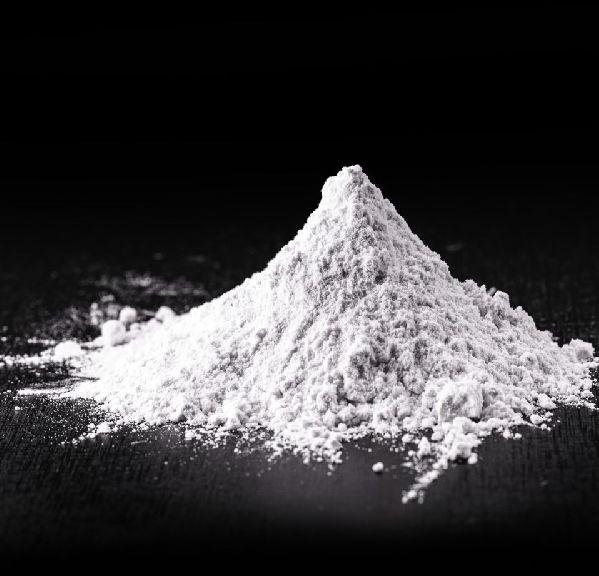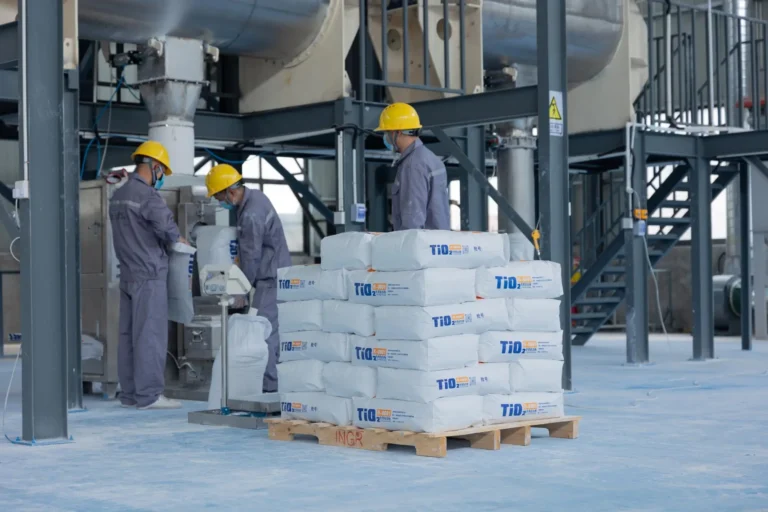
Titanium Dioxide (TiO2), the brilliant white pigment essential to countless industries, isn’t just mined—it’s manufactured. The transformation of raw titanium-bearing ores into the high-performance TiO2 pigments we rely on is a complex chemical feat. Understanding how TiO2 is made helps in selecting the right pigment for your application.
There are two primary commercial methods for producing TiO2: the Sulfate Process and the Chloride Process. Each has its own advantages, and the choice of process determines the final product’s characteristics.

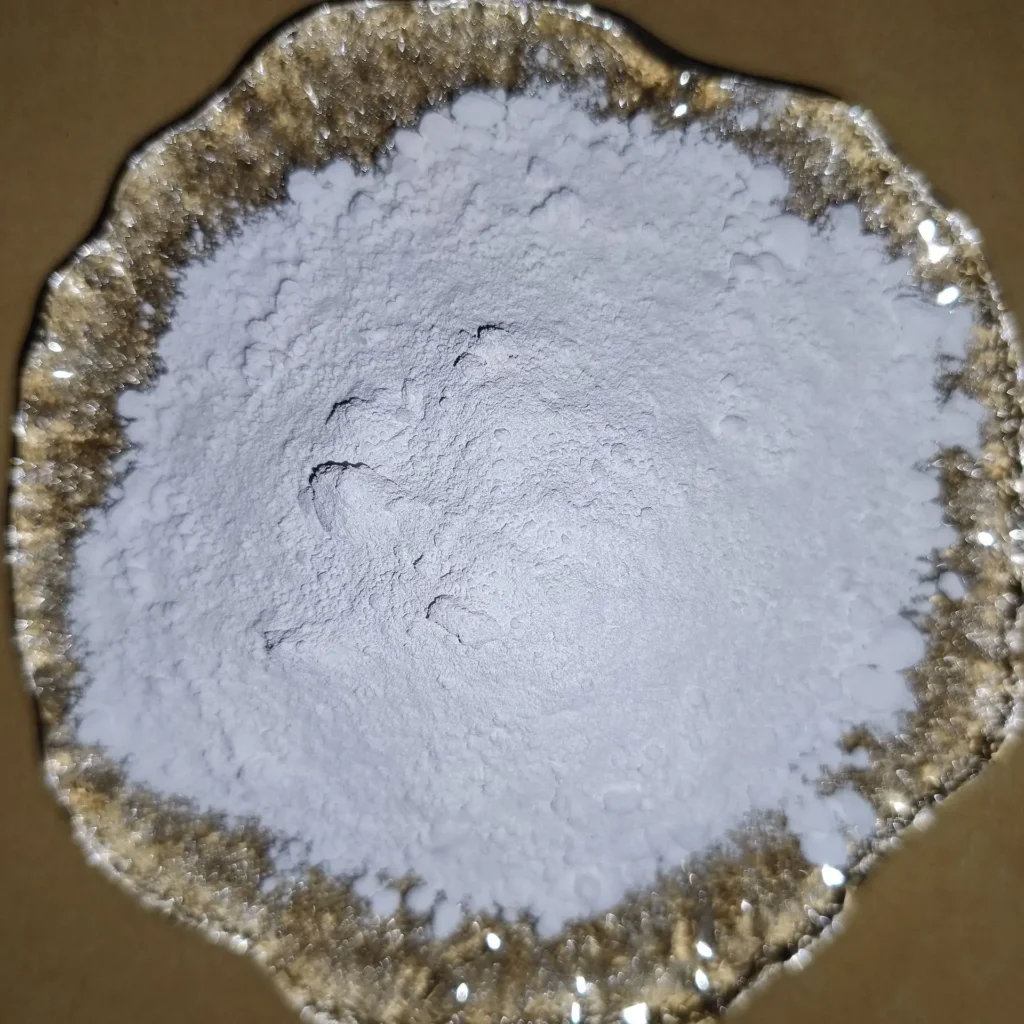
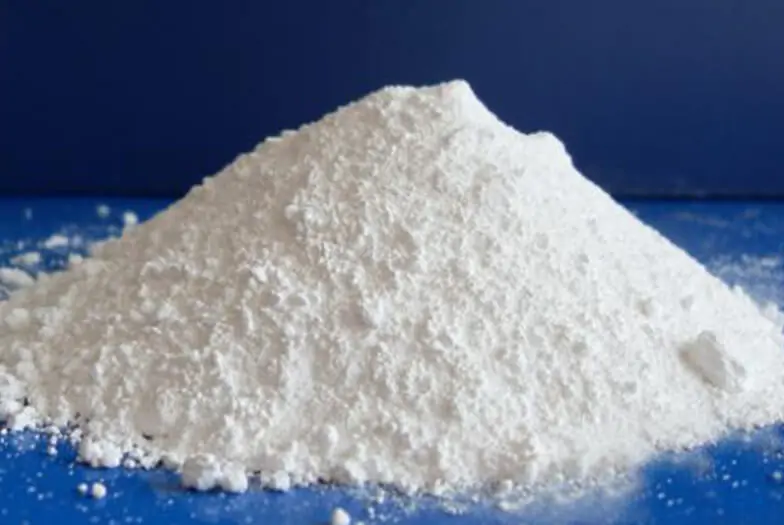
The Two Main Industrial Processes for Making TiO2
1. The Sulfate Process: The Traditional Workhorse
The sulfate process is one of the earliest commercial methods for producing TiO2. It is a batch process known for its ability to handle a wider variety of raw materials, including lower-grade ilmenite ore.
Key Steps in the Sulfate Process:
- Digestion: The titanium-bearing ore (like ilmenite) is digested with concentrated sulfuric acid. This reaction produces a solution of titanium sulfate and other metal sulfates.
- Reduction & Crystallization: Iron in the ore is reduced to the ferrous state, and the solution is cooled to crystallize out copperas (ferrous sulfate).
- Hydrolysis: The purified titanium sulfate solution is heated and hydrolyzed. This critical step causes hydrated titanium dioxide (TiO₂·nH₂O) to precipitate out of the solution.
- Calcination: The hydrate is washed, dried, and then calcined (heated at high temperatures). This process drives off water and transforms the amorphous hydrate into the desired crystal form—either Anatase or Rutile.
- Surface Treatment: The calcined base pigment is then dispersed in water and undergoes inorganic surface treatment (e.g., with silica, alumina, or zirconia). This step is crucial for enhancing properties like durability, dispersibility, and weather resistance. Finally, the product is filtered, dried, and milled to the desired fineness.
Advantages & Disadvantages:
- Advantages: Can use lower-cost raw materials; well-established technology.
- Disadvantages: A batch process that generates more waste, particularly ferrous sulfate (copperas), posing greater environmental challenges.
> > Henan Baiji’s Sulfate Process Products:
Henan Baiji New Material leverages the versatility of the sulfate process to produce a range of high-quality TiO2 pigments. Our R-8601 (General Grade), R-8602 (Plastic Grade), R-8606 (Ink Grade), and R-8608 (Coating Grade) are all manufactured using this method, tailored to meet specific industry demands with excellent performance.
2. The Chloride Process: The Modern, Efficient Route
The chloride process is a more modern, continuous, and environmentally cleaner process. It typically requires a higher-grade feedstock, such as natural or synthetic rutile.
Key Steps in the Chloride Process:
- Chlorination: The titanium feedstock is mixed with coke and reacted with chlorine gas at high temperatures (around 1000°C). This produces titanium tetrachloride (TiCl4), a volatile gas, along with other metal chlorides.
- Purification: The TiCl4 gas is cooled and condensed into a liquid. It then goes through rigorous fractional distillation to remove impurities, resulting in an extremely pure TiCl4.
- Oxidation: This is the heart of the process. The pure, vaporized TiCl4 is injected into an oxidation chamber along with high-purity oxygen. A violent reaction occurs, producing pure, fine-particle-sized Rutile TiO2 and chlorine gas.
- Finishing: The chlorine gas is captured and recycled back to the chlorination step. The TiO2 powder undergoes the same essential surface treatment, drying, and milling steps as in the sulfate process to achieve the final product specifications.
Advantages & Disadvantages:
- Advantages: A continuous process with lower energy consumption and less waste; produces a brighter, often higher-quality Rutile pigment.
- Disadvantages: Requires high-purity, expensive feedstock; significant capital investment; process control is more sensitive.
> > Henan Baiji’s Chloride Process Products:
Our advanced chloride process line enables us to produce premium-grade TiO2 with exceptional properties. Our CR-8610 (Coating Grade) and CR-8611 (General Grade) pigments are known for their outstanding brightness, blue undertone, easy dispersion, and superior durability, making them ideal for high-end applications.
Sulfate vs. Chloride Process: A Quick Comparison
| Feature | Sulfate Process | Chloride Process |
|---|---|---|
| Process Type | Batch | Continuous |
| Primary Feedstock | Ilmenite | Synthetic/Natural Rutile |
| Environmental Impact | Higher (more solid waste) | Lower (closed-loop Cl2 cycle) |
| Product Quality | Excellent, versatile | Superior brightness & purity |
| Crystal Form | Can produce Anatase or Rutile | Produces only Rutile |
Conclusion: Quality TiO2 is a Product of Precision Engineering
The journey from raw ore to high-performance TiO2 pigment is a testament to modern chemical engineering. Both the sulfate and chloride processes have their place in the market, enabling manufacturers to create pigments with specific characteristics for every need.
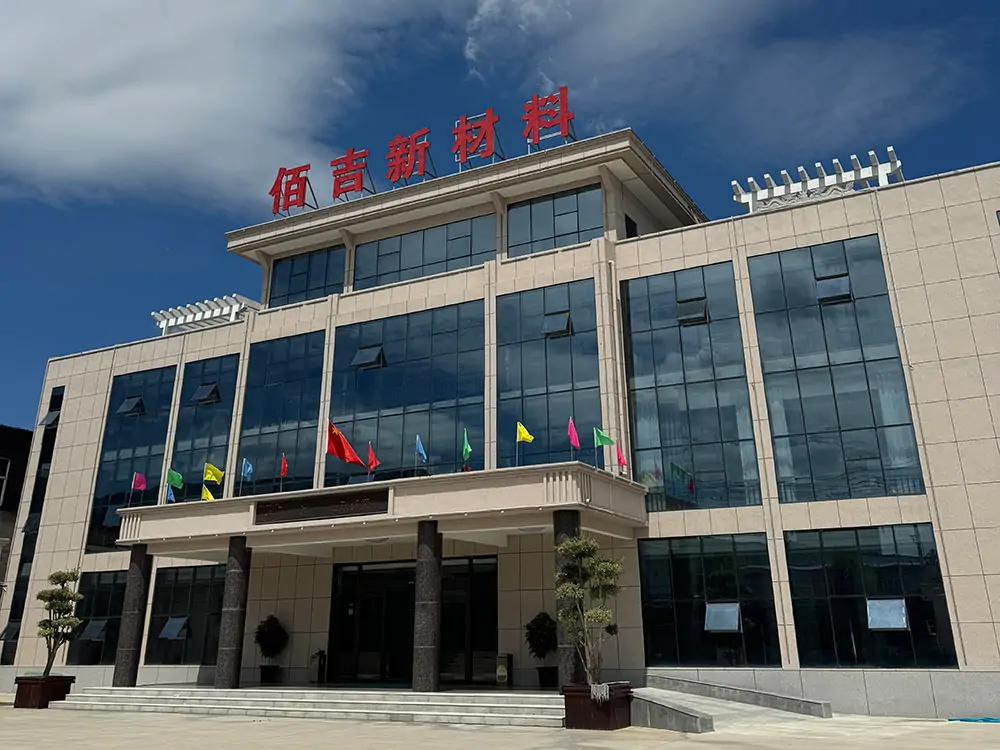
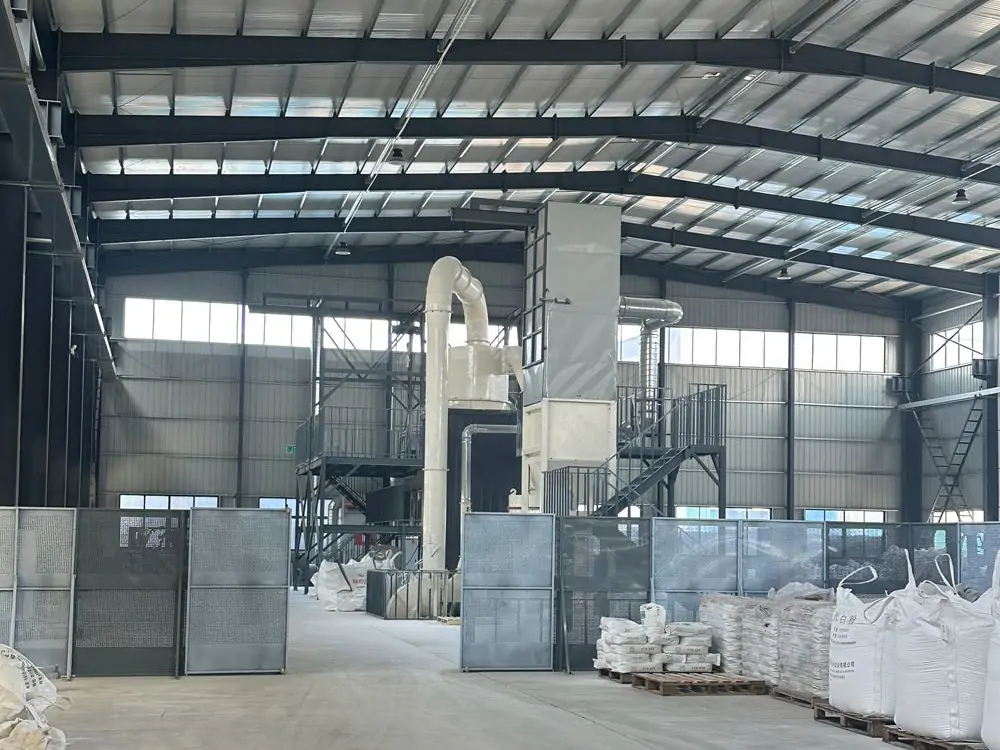
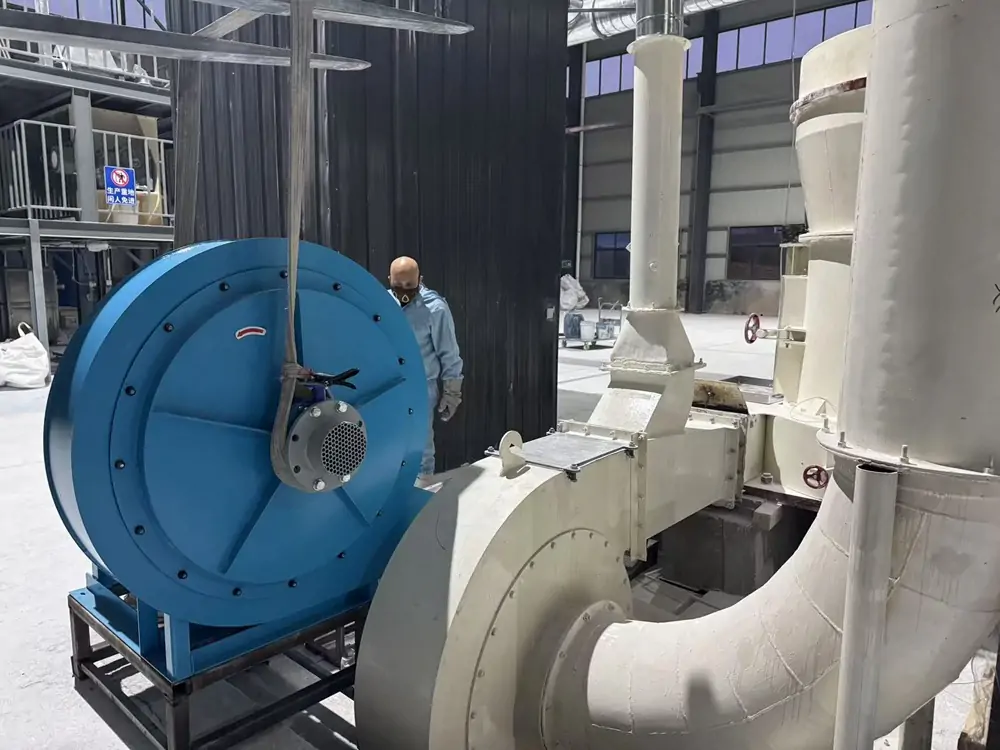
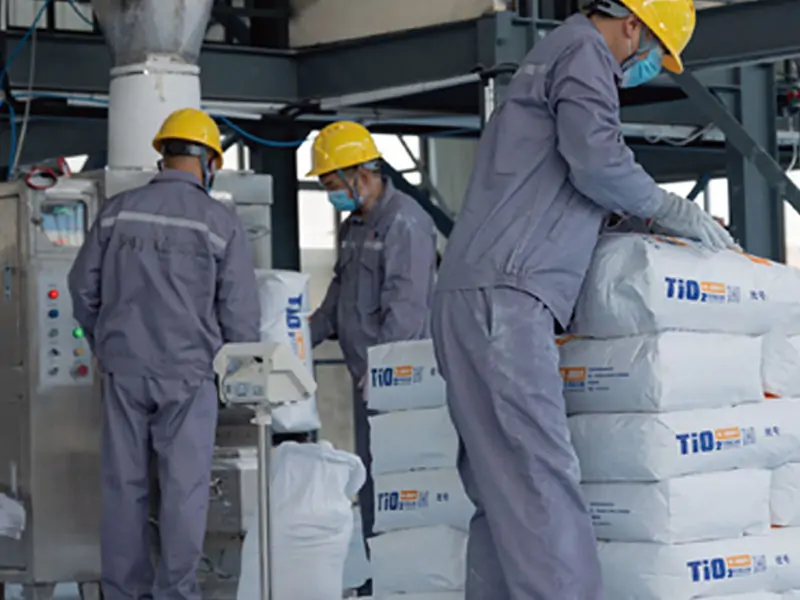
> > Partner with a Manufacturer Who Masters Both Processes
At Henan Baiji New Material Co., LTD, we possess the technical expertise and production facilities to utilize both the sulfate and chloride processes. This allows us to offer a comprehensive portfolio of TiO2 products, ensuring you find the perfect cost-performance balance for your application—from general-purpose plastics to premium weather-resistant coatings.
Contact us today to request a sample and experience the Baiji quality difference.