The simple chemical formula TiO2 belies a fascinating geological complexity. If you’ve ever asked, “How many mineral forms of TiO2 exist?”, the answer is more intricate than you might think. While most people in the industry are familiar with the two main commercial forms, nature actually produces several distinct minerals, each with unique properties that determine their industrial value.
This article will break down the different natural mineral forms of Titanium Dioxide, focusing on which ones are crucial for modern technology and industry.
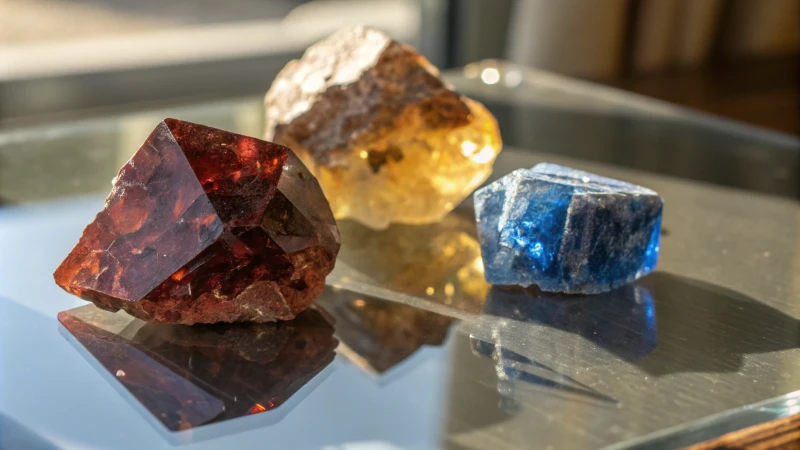
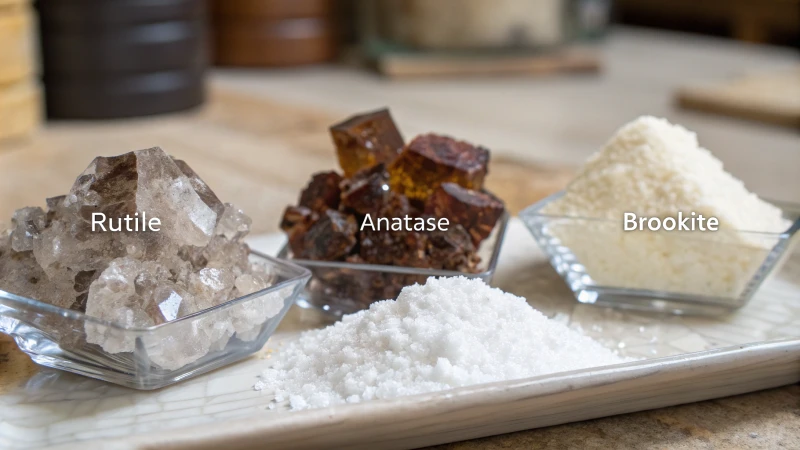
The Three Primary Natural Mineral Forms of TiO2
In nature, TiO2 primarily crystallizes into three distinct mineral structures:
All three share the same chemical composition (TiO2) but have different atomic arrangements, a phenomenon known as polymorphism. This difference in crystal structure is what gives each mineral its specific physical properties, such as density, hardness, and stability.
Let’s explore each one in detail.
1. Rutile: The Most Stable and Industrially Important Form
Rutile is the most common and thermodynamically stable form of TiO2. Its name comes from the Latin rutilus, meaning “red,” due to its common deep red or reddish-brown color in its pure crystal form.
- Crystal Structure: Tetragonal
- Key Properties:
- Highest Density: Among the three, it has the highest specific gravity.
- Superior Weather Resistance: Its tightly packed crystal structure makes it highly resistant to ultraviolet light and environmental degradation.
- Highest Refractive Index: This gives it exceptional light-scattering ability, translating to superior opacity and hiding power in applications like paints and coatings.
Because of these properties, Rutile is the most commercially valuable form of TiO2. The vast majority of titanium dioxide pigments produced globally—especially for high-performance applications—are of the Rutile type.
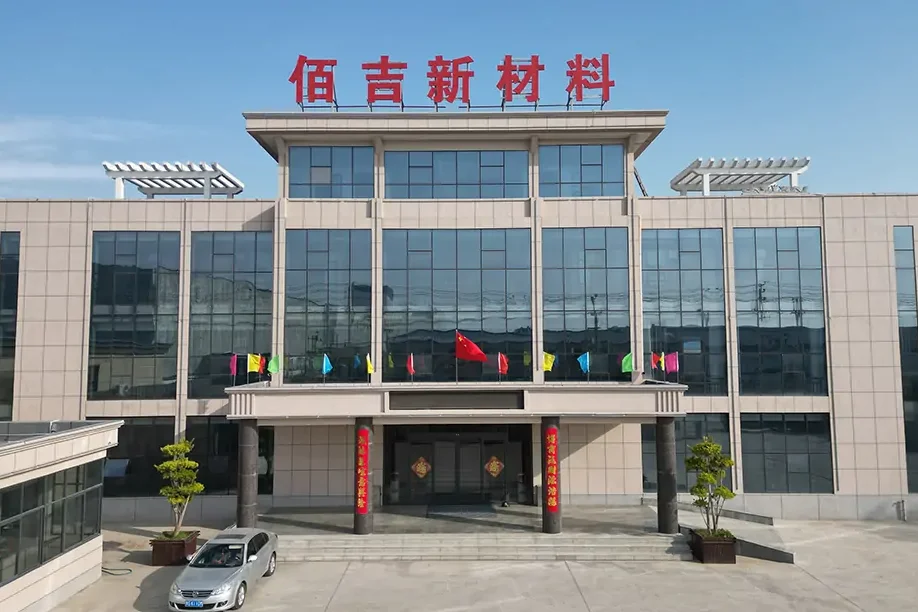
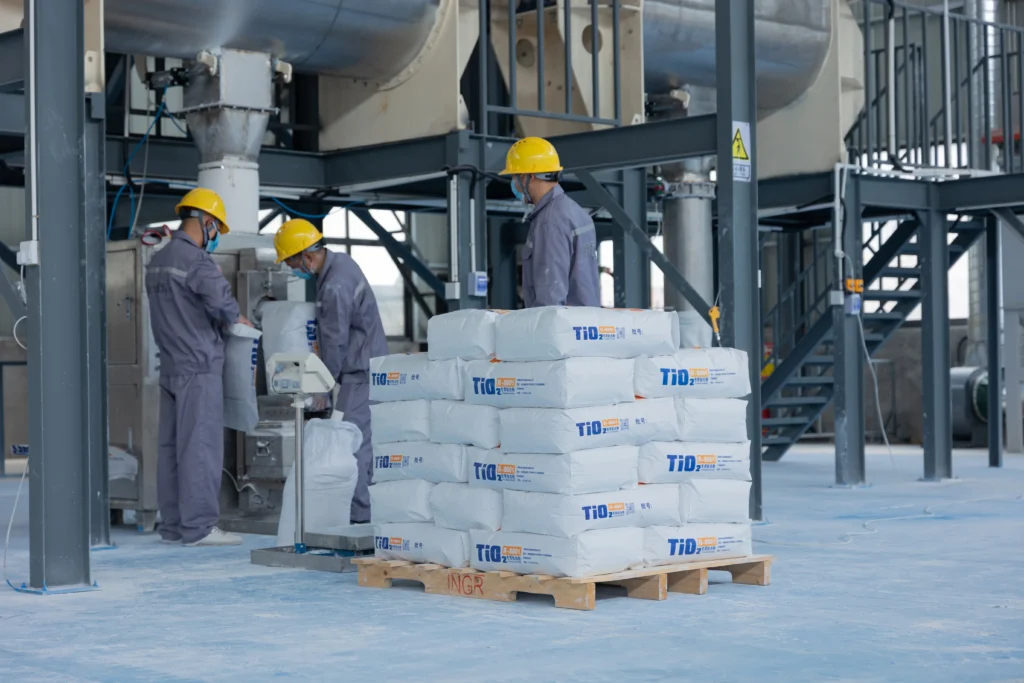
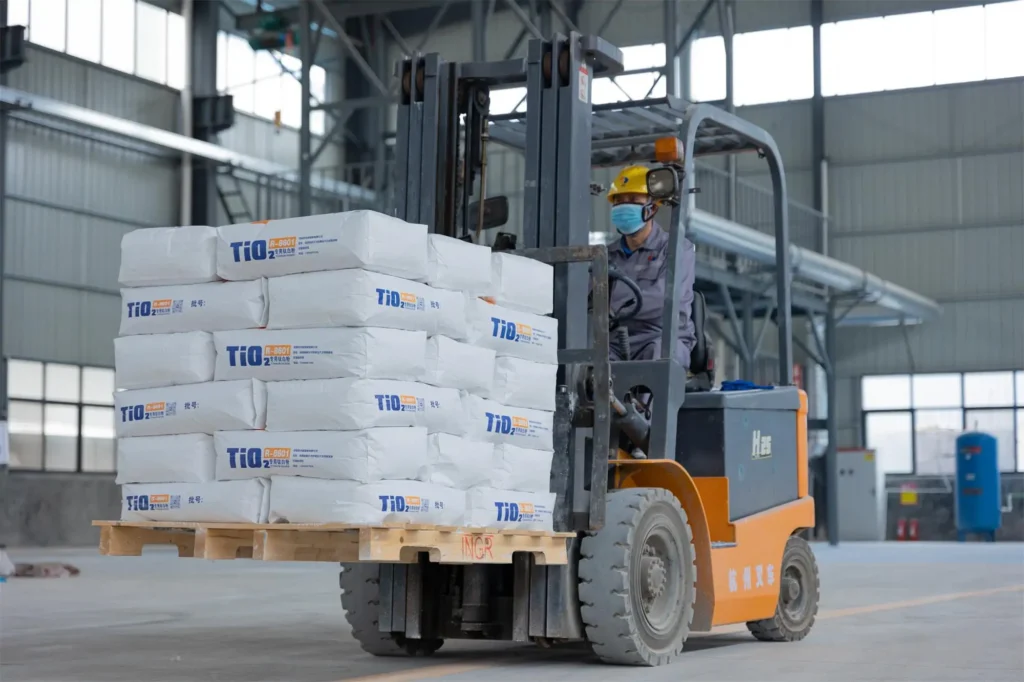
> > Henan Baiji’s Rutile Products: At Henan Baiji New Material, we specialize in producing high-grade Rutile titanium dioxide. Our R-8608 (Coating Grade) and CR-8610/8611 (Chloride Process) products leverage the superior properties of the Rutile structure to deliver outstanding durability, brightness, and opacity for demanding applications in plastics, coatings, and inks.
2. Anatase: The Photoactive Alternative
Anatase is another tetragonal mineral but with a different atomic arrangement than Rutile. It is typically found as dark blue-to-black crystals, though its pigment form is white.
- Crystal Structure: Tetragonal (but different from Rutile)
- Key Properties:
- Lower Density: Less dense than Rutile.
- Higher Photoactivity: It is more photocatalytically active than Rutile. This makes it excellent for applications like self-cleaning surfaces and air purification but a poor choice for outdoor coatings where stability is key, as it can catalyze the degradation of the binder system.
- Softer White Tone: Sometimes preferred for certain paper and fiber applications.
While Anatase is commercially produced, its market share is much smaller than Rutile’s, primarily due to its lower weather resistance.
3. Brookite: The Rare and Ornamental Form
Brookite is the rarest of the three main natural polymorphs. It is not used commercially for pigment production due to the difficulty in synthesizing it and its less favorable properties for industrial applications.
- Crystal Structure: Orthorhombic
- Key Properties: It is the least dense of the three minerals. Its crystals are often tabular and can be highly prized by mineral collectors. Brookite has no significant industrial role in the TiO2 pigment market.
Other, Rarer TiO2 Polymorphs
Beyond the “big three,” scientific research has identified several high-pressure or synthetic phases of TiO2. These are not found in significant quantities in nature and are primarily of academic and research interest. They include:
- TiO2 (B): A monoclinic form, sometimes called “bronze-type” TiO2.
- Akagoite: A high-pressure, monoclinic phase.
- Ramsdellite: An orthorhombic form.
These phases are not relevant to the commercial pigment industry but are studied for potential applications in batteries and advanced electronics.
Conclusion: From Three Minerals to Countless Applications
So, to directly answer the question, “How many mineral forms of TiO2 exist?”—there are three primary natural mineral forms: Rutile, Anatase, and Brookite.
However, for industrial purposes, the choice is clear. Rutile is the king of TiO2 pigments, offering the best combination of opacity, durability, and stability that modern industries require. Understanding this distinction is key to selecting the right material for your application.
> > Partner with a TiO2 Expert
At Henan Baiji New Material Co., LTD, our focus is on manufacturing premium Rutile titanium dioxide products tailored to your needs. Whether you’re in plastics, coatings, or inks, our technical expertise ensures you get the performance and quality your products deserve.
Contact us today to discuss how our Rutile-grade TiO2 solutions can enhance your applications.